
If your skin feels tight after cleansing, it can be easy to assume that your face is simply “really clean.” That stretched, almost squeaky feeling is often associated with removing oil and impurities effectively. But comfortable, healthy-looking skin should not necessarily feel tight after every wash. Tightness can be a sign that your cleansing routine is removing more than just makeup, sunscreen and excess sebum. Particularly when it is accompanied by dryness, flaking, redness or increased sensitivity.
The good news is that you do not necessarily need a complicated skincare routine to address it. Looking at how you cleanse, what you apply afterwards and how much stress you place on your skin throughout the rest of your routine can make a noticeable difference.
Why Does Skin Feel Tight After Washing?
Cleansing removes substances that accumulate on the skin throughout the day, including excess sebum, sweat, sunscreen, makeup and environmental impurities. That is exactly what a cleanser is supposed to do. Problems can arise when cleansing also removes too much of the skin's natural surface lipids or when the cleansing process is more intensive than your skin currently tolerates. Your skin barrier plays an important role in helping the skin retain moisture and protecting it from external stressors. When the balance between cleansing and maintaining this protective function is disrupted, the skin can feel dry, tight or uncomfortable after washing.
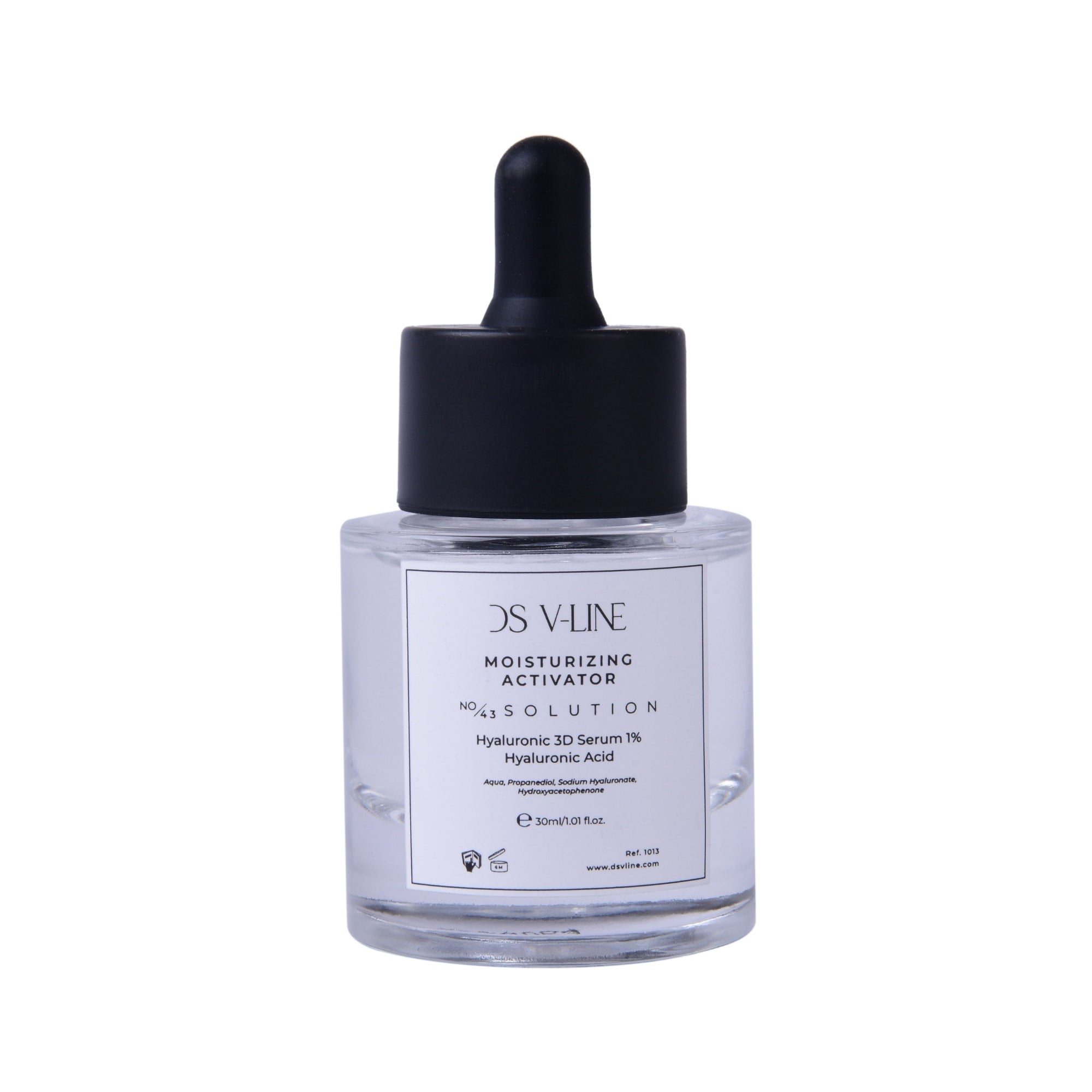
This does not automatically mean that your skin barrier is severely damaged. Occasional tightness can have relatively simple causes, such as using water that is too hot or cleansing more aggressively than necessary. However, if your skin consistently feels tight after cleansing, restoring hydration should become an important part of the routine. A lightweight hydrating product such as the DS V-LINE 43 Moisturizing Hyaluronic 3D Serum can be used after cleansing to support the skin’s moisture balance without adding a heavy feel. If the tightness remains or is accompanied by dryness, flaking or increased sensitivity, it is also worth taking a closer look at your cleansing habits and overall routine.
6 Common Reasons Your Face Feels Tight After Cleansing
1. Your cleanser may be too harsh for your skin. A cleanser that removes a large amount of surface oil can leave the skin feeling very clean but also noticeably tight. The strongest cleanser is not automatically the best cleanser. Your goal should be to remove what needs to be removed while keeping the skin comfortable.
2. You are washing your face with very hot water. A hot shower may feel relaxing, but your facial skin does not need very hot water to become clean. Lukewarm water is generally a more sensible choice, particularly if your skin already tends to feel dry or sensitive after cleansing.
3. You may be cleansing too often. More cleansing does not necessarily mean cleaner or healthier-looking skin. If you cleanse intensively several times throughout the day, your skin may have little opportunity to regain its natural balance between washes. This is particularly worth considering if your morning and evening routines both involve strong cleansing despite your skin not actually needing it.
4. Your skin may be dehydrated. Dry and dehydrated skin are not exactly the same thing. Dry skin generally lacks oil, whereas dehydrated skin lacks water and can occur even when the skin is oily or combination. This is why someone can notice an oily T-zone while their face still feels tight immediately after cleansing. If this sounds familiar, our Dry & Dehydrated Skin Guide explains the difference and how to build a hydration-focused routine. DSVLINE's current guidance for dry and dehydrated skin similarly emphasizes gentle cleansing followed by hydration and moisturizing care.
5. You are using too many intensive treatments. Sometimes the cleanser is blamed when the wider routine is actually the problem. Frequent exfoliation, retinol and several active treatments used together can make the skin less tolerant of a cleansing step that previously felt perfectly comfortable. If tightness appeared after introducing several new products, simplifying the routine can make it easier to identify what changed.
6. Your skin barrier may need additional support. Persistent tightness combined with roughness, dryness, sensitivity or discomfort can occur when the skin's protective barrier is under stress. DSVLINE's Skin Barrier Repair Guide covers the subject in more detail, including common signs of a compromised barrier and how to structure a simpler barrier-focused routine.
Is Tight Skin After Cleansing a Sign of Dry Skin?
Not always. This is an important distinction because immediately reaching for products designed exclusively for very dry skin may not address the actual problem. Naturally dry skin can certainly feel tight after cleansing, but normal, combination and even oily skin can experience the same sensation.
For example, oily skin can still become dehydrated. A routine focused too aggressively on removing oil can sometimes leave the skin feeling simultaneously oily and tight — which understandably makes choosing skincare confusing. Instead of judging your skin only by how much oil appears during the day, pay attention to how it behaves immediately after cleansing and during the hours that follow.
Is That “Squeaky Clean” Feeling Actually Good?
Not necessarily. Cleansing should leave your face feeling fresh and clean, but you do not need to chase the strongest possible sensation of cleanliness. There is a difference between skin that feels clean and skin that feels stripped.
If your face feels comfortable immediately after cleansing and remains that way, there may be no problem. If you feel an immediate need to apply something because the skin feels stretched or uncomfortable, however, your cleansing step deserves another look. Skincare should not become a cycle of aggressively removing everything from the skin and then trying to compensate with increasingly complex products afterwards.
How to Stop Your Skin Feeling Tight After Cleansing
Start with the simplest changes. Use lukewarm rather than very hot water, avoid scrubbing your face unnecessarily and choose a cleansing approach appropriate for your skin type. After cleansing, do not leave dehydration-prone skin without care for an extended period. A hydrating serum followed by suitable moisturizing care can help build a routine around hydration and comfort.
For skin that needs additional hydration, the DS V-LINE 43 Moisturizing Hyaluronic 3D Serum is designed to support the skin's moisture balance using hyaluronic acid with varying molecular weights. Its lightweight, fast-absorbing texture makes it particularly easy to incorporate after cleansing and before moisturizer.
If tightness occurs alongside signs that your skin is stressed or particularly sensitive, the DS V-LINE SucraEx Barrier Repair Cream offers a more barrier-focused step. It was developed to support the skin barrier while providing moisturizing care and is intended for all skin types, particularly when greater hydration and comfort are needed.
A Simple Routine for Skin That Feels Tight After Washing
You do not need five new products simply because your skin feels tight. In fact, this is often a good time to make your routine simpler.
Morning: Gentle cleansing when needed → Hydrating serum → Moisturizer → SPF
Evening: Gentle cleansing → Hydrating serum → Moisturizer or barrier-focused care
The DS V-LINE Skincare Routine Guide follows the same basic principle: cleansing comes first, followed by targeted or hydrating serums, moisturizer and sunscreen during the day. If you currently use several exfoliating products or retinol treatments and your skin suddenly feels unusually tight, consider whether every active product really needs to be used every day. A simpler routine can make it much easier to understand what your skin actually tolerates.
Should You Apply Hyaluronic Acid After Cleansing?
A hydrating serum can be a useful next step when your skin tends to feel dehydrated after washing. Hyaluronic acid is commonly used in hydration-focused skincare because it helps support moisture within the routine. However, it should not be viewed as a replacement for the rest of your skincare. For many people, following a hydrating serum with an appropriate moisturizer makes more sense than relying on a serum alone.
The DS V-LINE Moisturizing Hyaluronic 3D Serum fits particularly well here because its role within the DSVLINE range is specifically hydration and moisture balance rather than intensive exfoliation or another active treatment.
When Should You Simplify Your Skincare Routine?
If your skin suddenly starts feeling tight despite having tolerated your cleanser in the past, look at what else has changed. Did you introduce a new exfoliant? Start using retinol more frequently? Add several serums at once? Begin cleansing more often? Sometimes the product that causes the most obvious sensation is not the only factor contributing to it.
Try returning to the basics: gentle cleansing, hydration, moisturizing care and daytime sun protection. Once your skin feels comfortable again, targeted products can be reintroduced gradually according to their individual instructions. This approach also makes it much easier to recognize which products your skin responds well to instead of changing several things simultaneously.
DS V-LINE Tip: Your skin does not need to feel tight to be properly cleansed. If tightness becomes a regular part of your routine, focus first on gentler cleansing, hydration and barrier-supporting care rather than adding another intensive active ingredient.
How Long Should Skin Feel Tight After Cleansing?
Ideally, cleansing should not leave your skin persistently uncomfortable. Very temporary changes in how the skin feels can occur after washing, but recurring or prolonged tightness is a reason to reconsider your routine. Pay particular attention if the tight feeling is accompanied by visible flaking, redness, burning, itching or increasing sensitivity.
If symptoms are persistent, severe or difficult to explain through changes in your skincare routine, it is sensible to seek professional dermatological advice rather than continuing to experiment with increasingly intensive products.
FAQ: Tight Skin After Cleansing
Why does my face feel tight immediately after washing it?
Your cleansing routine may be removing too much surface oil, your water may be too hot, or your skin may currently be dehydrated or stressed. Consider the cleanser itself as well as the rest of your routine.
Does tight skin mean my cleanser is working?
No. A cleanser does not need to leave your skin feeling tight or “squeaky” to remove sunscreen, makeup, excess sebum and impurities effectively.
Can oily skin feel tight after cleansing?
Yes. Oiliness and dehydration can occur at the same time. An oily skin type does not automatically mean the skin has sufficient hydration.
Should I moisturize immediately after cleansing?
If your skin is prone to dehydration or tightness, following cleansing with appropriate hydrating and moisturizing care can help maintain comfort. A hydrating serum can be incorporated before moisturizer.
Can over-exfoliating make my face feel tight?
Yes. An overly intensive routine involving frequent exfoliation or several strong treatments can contribute to dryness, sensitivity and discomfort. If this happens, reducing the intensity of your routine and focusing temporarily on hydration and barrier support may be useful.
What skincare products are suitable when my skin feels tight?
Rather than immediately adding multiple active ingredients, prioritize products that fit a hydration- and comfort-focused routine. Within DSVLINE, the 43 Moisturizing Hyaluronic 3D Serum provides a hydration-focused serum step, while SucraEx Barrier Repair Cream is designed for moisturizing and barrier-supporting care.